
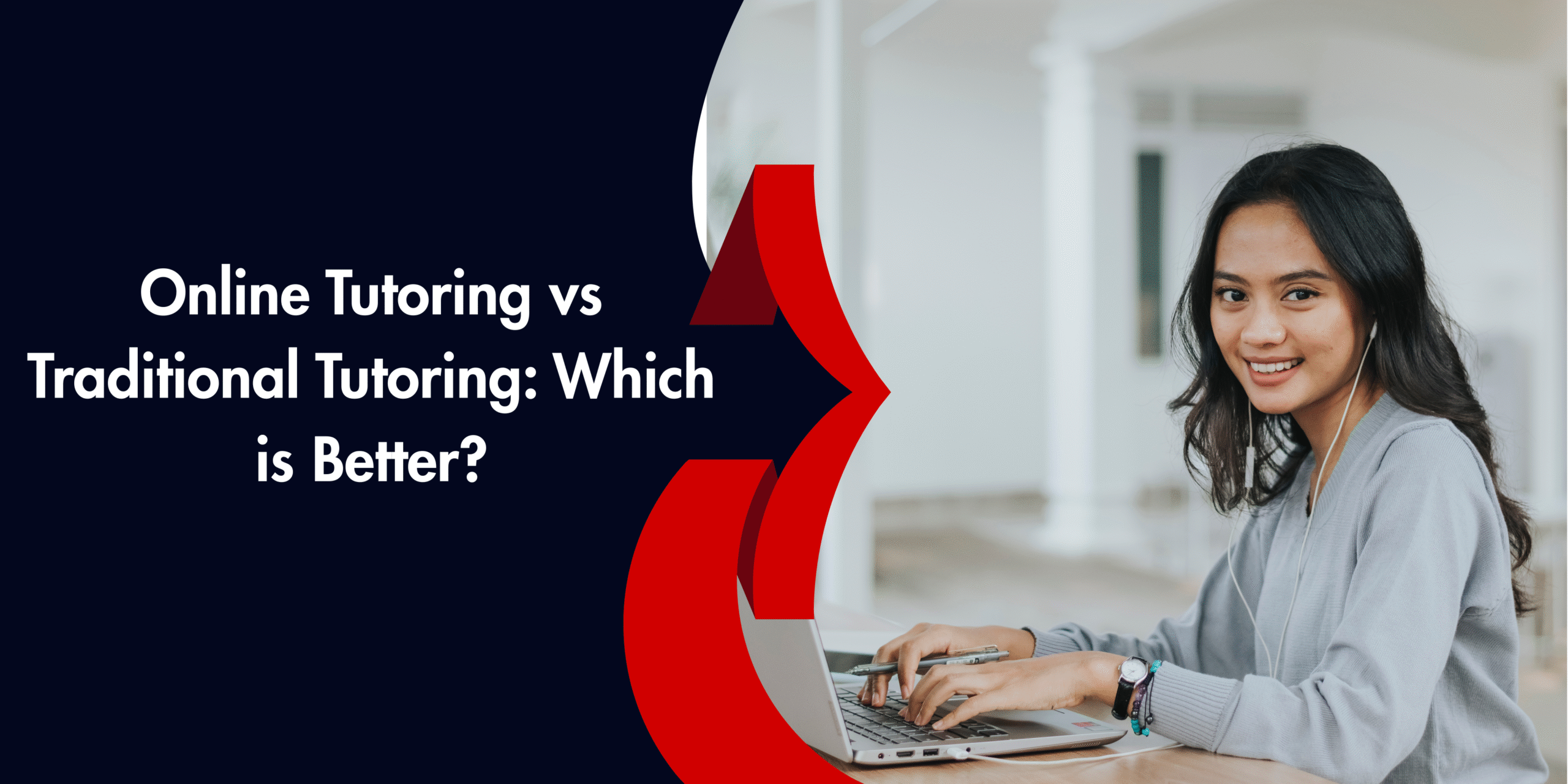
In recent years, education in the UK has evolved significantly. Parents are more involved than ever before when it comes to helping their children in learning. Online tutoring has become increasingly popular compared to the traditional face-to-face model of tutoring, particularly after lockdowns introduced remote learning as one of the common aspects of life.
And then comes the question of which is better when it comes to your child: online tutoring or traditional tutoring?
We are going to discuss the two methods, their advantages, and how to choose in favour of what is right in your family.
What is Traditional Tutoring?
The most popular traditional form of tutoring is the one that has been tested and with which most parents in the UK are familiar. The student is met by a tutor either back home, in a tuition centre or even in school to go through lessons, homework and exam preparation.
The 2023 report of the Sutton Trust estimates that close to 30 per cent of students attending secondary schools in England have had some face-to-face historical tuition on a private basis. Over in London, that figure is even higher at over 40, reflecting just how popular and old traditional tutoring is.
Advantages of Conventional Tutoring
- Physical interaction: Students and tutors can establish a personal rapport, and this tends to increase concentration and motivation. Education Endowment funding (EEF) research points to the fact that one-to-one tuition can speed up the learning process by as much as five more months of academic advancement per school year.
- When setting up the regulations, the time spent on screens will be reduced to zero. There will be no dependence on gadgets, which will be a significant advantage in the context of families that are already concerned about excessive exposure to screens. Research has indicated that the average UK adolescent already spends 4+ hours per day on the internet, and therefore, parents often favour offline learning as a way to balance screen time.
- Instant feedback: The tutor can read body language, confusion or stress instantly and make changes to teaching style, something more difficult over a webcam.
Cons of Traditional Tutoring
- Travel expenses and time: Travelling to and out of tuition centres may consume precious time (and gas money). According to a survey of parents by The Tutor Trust, many parents are dedicating more than 2-4 hours per week, including travel time, to lessons.
- Less choice: You have tutors who are in your local area. Out of big cities, you might not be able to find specialist tutors (such as GCSE Sciences or 11+ prep).
- Timing difficulties: Busy families might not be able to incorporate regular face-to-face meetings into their schedules with after-school activities. Now, a third of all UK children are members of after-school clubs so that timing can be an issue.
Which Works Better for UK Students?
It has been found that both can be equally effective when well done. It does not matter whether the tutor is online or in the room, but rather the sessions will be personalised, consistent and engaging.
For example:
- A Year 6 student who is about to take SATs may find online tutoring more convenient in fitting around school work.
- A student in Year 10 with a problem with GCSE Maths might find the discipline and attention of physical classes easier.
- A student, ambitious in Year 12 and studying A-Level Sciences, may combine the two, taking online classes with subject experts and face-to-face revision.
Flexibility vs Routine
Flexibility is one of the most considerable benefits of online tutoring. There is no need for families to rush out after dinner or even re-plan the weekend. Studying can take place at a time when it benefits all.
Conventional tutoring, however, ensures a fixed routine. This structure keeps them in check and on schedule.
The Hybrid Approach
A hybrid style of tutoring that combines both online and traditional formats is increasingly becoming popular as the choice of many families in the UK.
For example:
- 1 hour weekly online classes in subjects such as English and Maths.
- Face-to-face lessons in Slough to revise, take mock examinations or do intensive revision before SATs or GCSEs.
This method is a combination of the flexibility of online learning and the human interaction of face-to-face support.
Offerings at Educative Tutors
Here at Educative Tutors, we believe there is no one-size-fits-all solution. That’s why we offer:
- Online tutoring throughout the UK, interactive and engaging and reasonably priced.
- Physical tutoring in Slough, as parents want to have traditional help.
- Expert, qualified lecturers in English, Maths, Science, SATs, 11+, GCSEs and A-Levels.
- Periodically provides progress reports to parents who can constantly check the progress of their child.
Final Thoughts
Then what is superior between online tutoring and traditional tutoring?
The better option at the end of the day is the one that makes your child feel confident and supported and prepared to do well.
No idea what is best with your child? You can book a free trial session with Educative Tutors today and get to know the difference between online and in-person learning before you make up your mind.
Frequently Asked Questions
Is it possible that online tutoring will be a substitute to face-to-face lessons?
Not entirely–and it does not need to. On-line tutoring is amazing as a supplement. It is perfect in flexibility, additional practice, and meeting specialist tutors whereas face-to-face lessons provide your child with structure, face-to-face interaction, and practical teaching.
Does this make me know what is the best thing to do with my child?
Reflect on the way your child learns. Routine and one-on-one interaction are the best and traditional tutoring fits well in this case. In case flexibility or accessibility to subject experts is of greater importance, online tutoring might be the winner. A combination of the two works is just perfect to many families.
Is it possible to do exams by means of online tutoring?
Absolutely! School children in the UK prepare successfully to SATs, 11+, GCSEs and as well as A-Levels online. The magic here is to maintain regular online tutoring sessions through which the interactions are interactive and facilitated by continuous feedbacks, which happens to be the case with a talented online tutor.